 blog
blog
Handcrafted vs Mass-Produced Grooming: Which Wins
Table of Contents
- What Handcrafted and Mass-Produced Grooming Products Actually Are
- Materials, Sourcing, and Transparency in Handcrafted vs Mass-Produced Grooming
- Quality Control and Durability: What You Actually Get
- Beard Oil Ingredients and Performance Outcomes
- Beard Balm vs Beard Oil: When Handcrafted Matters Most
- Grooming Products for Sensitive Skin: Handcrafted Advantages and Trade-offs
- Building a Beard Care Routine: Handcrafted vs Mass-Produced Approaches
- Cost, Longevity, and Total Ownership: The Real Financial Picture
- Frequently Asked Questions
Last Updated: October 16, 2026
What Handcrafted and Mass-Produced Grooming Products Actually Are
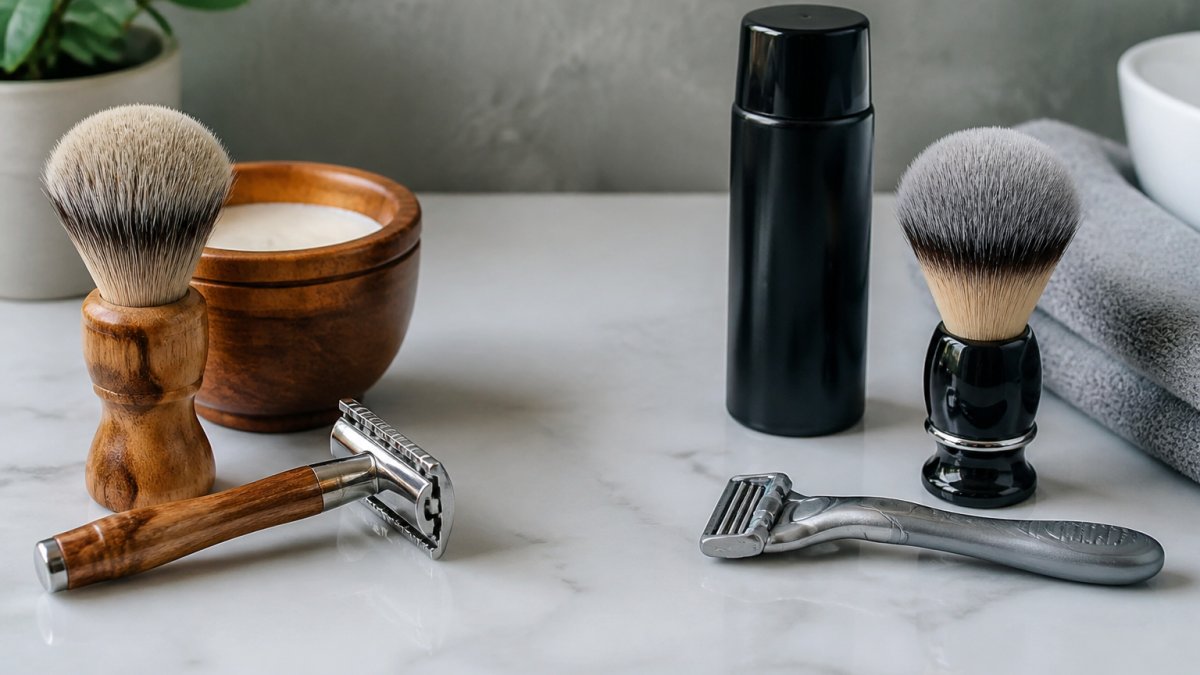
Handcrafted grooming refers to products made in small batches by individual makers or small teams using hands-on techniques, selective sourcing, and attention to detail. Mass-produced grooming means products manufactured at scale using standardized processes, machinery, and efficiency-driven workflows designed to reach broad markets quickly.
The difference runs deeper than volume: handcrafted items involve artisan skills and direct control over materials, while mass-produced goods prioritize consistency, availability, and cost efficiency. At Climaxxx Designs, we create handcrafted grooming essentials for customers who value customization and artisan quality.
Handcrafted Grooming: Small-Batch Production and Artisan Methods
Handcrafted grooming products emerge from small-batch production, where a maker controls each step from ingredient selection through packaging, relying on artisan skills rather than automated systems.
A handcrafted beard oil might involve sourcing specific carrier oils, blending essential oils by hand, and adjusting formulations by feel and scent. Each batch can vary slightly because the maker responds to the materials in front of them.
Mass-Produced Grooming: Standardized Manufacturing at Scale
Mass production prioritizes consistency and volume. A manufacturer designs a formula once, then replicates it thousands of times using standardized equipment and quality control checkpoints, so every unit is identical.
This standardization requires significant upfront investment but drives costs down per unit. A mass producer might manufacture 10,000 units monthly, reaching customers within days.

Materials, Sourcing, and Transparency in Handcrafted vs Mass-Produced Grooming
Handcrafted producers often emphasize responsible sourcing and transparency. An artisan might source jojoba oil from a specific supplier, track essential oil origins, and list every ingredient with reasoning.
Mass producers source for cost and consistency, working with suppliers who guarantee volume and stable pricing.
Transparency varies widely in both camps. Some artisans hide questionable sourcing behind marketing language; some mass producers publish detailed sourcing reports.
Quality Control and Durability: What You Actually Get
Quality control looks different depending on scale, and the difference shows up during a shave, trim, or daily oil application.
How Each Side Runs Quality Control
A small-batch maker typically inspects every unit by hand, checking bristle density and glue bonds on a brush, or viscosity, scent balance, and absorption on an oil. Subtle defects get caught, but consistency depends on the maker's attention that day, so batches can differ slightly in scent strength, hold, or finish.
Mass production relies on standardized checkpoints: combs inspected for flash and burrs, razors tested for blade alignment, formulas measured for viscosity and pH on a sampling basis.
What Durability Actually Means for Grooming Tools
Durability in grooming isn't just about whether a product breaks, it's about whether it keeps performing:
- Brushes and combs. Handcrafted wooden brushes and combs use denser hardwoods and natural bristles set with more glue per tuft, holding shape longer, but wood swells and cracks if it stays wet. Mass-produced plastic or resin combs resist moisture better and cost less, but molded teeth can develop sharp edges or snap.
- Razors and blades. A handcrafted stainless steel or brass safety razor handle can outlast several mass-produced zinc-alloy handles, which are prone to thread stripping and plating wear. The blade itself is almost always mass-produced, even artisan brands source from the same handful of global manufacturers.
- Oils and balms. Shelf life is driven by ingredients, not production method. Preservative-free handcrafted oils carry a 6- to 12-month window and should be stored away from heat and light. Mass-produced formulas with stabilizers hold 18 to 24 months, but that doesn't guarantee better performance.
Performance Outcomes You Can Measure at Home
You don't need a lab to compare construction quality:
- Grip test. Wet your hands and run the tool through a normal pass. Handcrafted wooden or metal handles with knurling or carved texture usually hold better when wet than smooth molded plastic.
- Snag test. Run a comb or brush through dry, then damp hair, and count pulls. Handcrafted combs with polished, hand-finished teeth typically snag less on coarse or curly hair.
- Breakage check. After a week, look at how much hair is left in the brush or comb. More shedding points to rough edges or static buildup.
- Irritation check. Note redness, itching, or bumps along the jawline and neck after shaving or applying oil, often a reaction to coatings, adhesives, or fragrance rather than the base material.
Hygiene and Maintenance: The Overlooked Variable
Construction affects how easy a product is to keep clean, and here the two designs genuinely diverge.
- Seams and crevices. Mass-produced brushes and razors often have molded seams, snap-fit joints, or rubberized grips that trap soap scum and skin cells. Handcrafted one-piece wooden or metal designs have fewer hidden surfaces, making them easier to rinse and dry.
- Moisture resistance. Wood handles need drying after every use and periodic conditioning with food-safe oil or wax. Stainless steel and hard resin tolerate moisture better but can corrode at blade edges if left wet.
- Cleaning routines. Weekly: rinse brushes and combs in warm water with mild soap, work a soft brush between comb teeth, and dry bristles face-down. Disassemble and dry razors after each shave. Keep oils and balms out of sunlight and capped tightly.
Where Mass Production Actually Wins on Quality
Mass production often delivers tighter unit-to-unit consistency, more reliable replacement parts, and stronger documented testing for coatings, adhesives, and skin-contact materials. If you have a known allergy, a large manufacturer's published specs are easier to verify than a small maker's handwritten label.
Where Handcrafted Wins
Handcrafted construction wins on repairability, finish quality, and catching defects that only appear in use. A maker who answers your email can replace a bristle tuft, re-sand a rough edge, or adjust a formula for your skin, keeping a tool in rotation for years instead of months.
Beard Oil Ingredients and Performance Outcomes
Beard oil ingredients vary between production methods.
Mass-produced beard oils often use similar bases but may include silicones or synthetic fragrances for consistency and cost control.
Handcrafted oils often feel richer and absorb more slowly; mass-produced options spread more evenly and dry faster, which suits shorter beards or oily skin. Neither automatically wins, it depends on your beard texture and skin sensitivity.
Beard Balm vs Beard Oil: When Handcrafted Matters Most
Beard balm vs beard oil is partly about ingredient quality and partly about production method.
Mass-produced balms achieve consistency through exact measurements, but rigid formulas sometimes sacrifice performance, a balm that works for one person may feel too hard or soft for another.
Beard oil is less sensitive to production method because it's simpler. The real difference is customization: a handcrafted producer can adjust scent or add specific oils, while mass producers can't.
Grooming Products for Sensitive Skin: Handcrafted Advantages and Trade-offs
Grooming products for sensitive skin benefit significantly from handcrafted approaches.
Mass producers design for the broadest market, often including common irritants like synthetic fragrances or preservatives. Some lines offer sensitive-skin versions, but customization is limited to preset options.
The trade-off is consistency and availability. A custom handcrafted product might take weeks and cost more; a mass-produced sensitive-skin line is immediate and cheaper but may not address your exact sensitivities.
Building a Beard Care Routine: Handcrafted vs Mass-Produced Approaches
A complete beard care routine typically includes cleanser, oil, balm, and possibly conditioner.
Mass-produced routines offer preset combinations for typical beard types, "light," "medium," or "heavy", rather than customizing each product. This works if you fit the typical profile but frustrates unusual needs.
Starting with handcrafted products requires research and trial-and-error. Mass-produced routines are easier to start, options are everywhere, instructions standardized, and you can assemble a complete routine in minutes.
| Approach | Time to Start | Customization | Consistency | Cost per Unit |
|---|---|---|---|---|
| Handcrafted | Weeks (research + order) | High (fully custom) | Variable | Higher |
| Mass-Produced | Days (retail available) | Low (preset options) | Consistent | Lower |
Cost, Longevity, and Total Ownership: The Real Financial Picture
Most comparisons stop at the sticker price, the least useful number in grooming. A $12 drugstore comb and a $45 handcrafted comb aren't competing on price but on cost per year of use, repairability, and replacement frequency.
Why Upfront Price Misleads
A handcrafted beard oil might list at two to three times a mass-produced bottle. But if you use a quarter-teaspoon instead of a half and the bottle lasts twice as long, per-use cost lands close to even. Likewise, a stainless steel safety razor handle costing several times more than plastic can come out cheaper over five years because you only replace blades.
A common pattern across categories:
- Oils and balms. Handcrafted formulas often use higher concentrations of carrier oils and fewer fillers, so less product per use. Mass-produced formulas may spread more easily but require more product.
- Brushes and combs. A handcrafted wooden brush lasting three to five years with occasional conditioning usually beats three or four mass-produced brushes replaced every 12 to 18 months.
- Razors. The handle is durable; blades are consumable either way. A repairable metal handle shifts ongoing spend to blades alone.
Cost Per Year: A Framework, Not a Formula
You don't need exact numbers. Track four inputs:
- Purchase price. What you pay today.
- Expected lifespan. How long it realistically lasts with normal use and care.
- Replacement frequency. How often you buy it again.
- Repair or maintenance cost. Conditioner, replacement parts, or a maker's repair fee.
Divide purchase price plus maintenance by expected years of use. A higher-priced item with a longer lifespan and low maintenance often beats a cheaper item you replace twice as often.
Repairability and Warranty Coverage
This is where the two approaches diverge sharply.
- Handcrafted. Small makers frequently offer repair services, replacement parts, or reformulation for a nominal fee, a loose tuft re-glued, a too-firm balm re-poured. Warranty terms are informal but personal.
- Mass-produced. Large manufacturers offer formal limited warranties, standardized return windows, and replacement units through retail channels. Repairs usually aren't offered; the product is replaced or refunded.
If you value keeping a tool in service for years, handcrafted repairability is a real financial advantage. If you value a clear written warranty and no-questions replacement, mass production wins.
Hidden Costs People Forget
- Shipping and lead time. Custom handcrafted orders often carry shipping costs and multi-week turnaround, a real cost if you run out of oil mid-month.
- Trial and error. Finding the right handcrafted maker can take two or three orders. Mass-produced products are easier to sample cheaply.
- Storage and care. Wooden tools need conditioning oil and dry storage, a small recurring cost, but not zero.
A Practical Way to Decide
Ask three questions before you buy:
- How often will I use this? Daily-use items justify higher upfront spend because cost per use drops fast.
- Can it be repaired? If yes, the handcrafted premium often pays back within a year or two.
- Do I need it now? If you need it this week, mass-produced availability usually wins on convenience.
Frequently Asked Questions
Are handcrafted grooming products better for your skin or beard?
Handcrafted grooming products often offer advantages in customization and ingredient transparency, but 'better' depends on your specific needs. Handcrafted beard oils and balms typically allow artisans to source higher-quality materials and adjust formulations for individual skin types. However, mass-produced products undergo rigorous quality control and consistency testing. For sensitive skin or specific beard issues, handcrafted options give makers the flexibility to exclude irritants and tailor beard oil ingredients. The real difference lies in attention to detail and repairability, handcrafted items are easier to adjust if they don't work for you.
What should you look for in a handcrafted beard oil?
When evaluating handcrafted beard oil, examine the ingredient list for named carrier oils (jojoba, argan, coconut) rather than vague terms like 'fragrance blend.' Ask the maker about their sourcing practices and whether they test batches for consistency. Check if they offer customization or adjustments, a true artisan should be willing to modify beard oil ingredients based on your beard type or skin sensitivity. Look for transparency about production methods, batch size, and shelf life. Verify that the maker can explain why they chose specific ingredients and how they prevent rancidity. Avoid claims without evidence, and prioritize makers who welcome questions about their craft.
Do handcrafted grooming products cost more, and is it worth the price?
Handcrafted grooming products typically cost more than mass-produced alternatives due to smaller batch sizes, higher-quality materials, and labor-intensive production. Pricing depends on quantity, dates, and delivery, direct your inquiry to Climaxxx Designs or other makers for current quotes. Whether the price is justified depends on your priorities. If you need customization, have sensitive skin, or value repairability and longevity, handcrafted options often deliver better total cost of ownership despite higher upfront expense. Mass-produced products may be cheaper initially but may require more frequent replacement. Consider how long the product lasts, whether it addresses your specific beard care needs, and if you value supporting individual makers over bulk manufacturers.
How can you tell if grooming products are truly handcrafted or just mass-produced with marketing?
Verify a handcrafted claim by asking direct questions: Can the maker explain their production process in detail? Do they show batch variation (slight differences between products)? Are they willing to customize or adjust formulations? Handcrafted makers typically work from smaller facilities and can discuss specific equipment, ingredient sourcing, and quality control methods. Mass-produced items marketed as 'artisanal' often use identical packaging, identical product batches, and vague language about 'small-batch' production. Check if the maker has a verifiable background in their craft, years of experience. Ask for transparency about production scale and labor. True handcrafted grooming is traceable to an individual or small team, not a factory with thousands of units in inventory.