 how-to
How to Wash Custom Shirts: A Complete Guide
Table of Contents
- Why Proper Care Matters for Custom Shirts
- Prepare Your Custom Shirt Before Washing
- How to Wash a Shirt Without Ruining the Print
- How to Wash Screen-Printed Clothing
- How to Wash Graphic Tees Properly
- Drying Custom Printed Shirts Without Damage
- Troubleshooting Damaged or Faded Prints
- Frequently Asked Questions
Last Updated: October 12, 2026
Why Proper Care Matters for Custom Shirts
Custom shirts are investments in your personal style. You want them to look great for years.
The print is vulnerable: the ink sits on top of the fabric, and heat, friction, harsh chemicals, and rough handling break down that ink layer.
Protecting your custom shirt is straightforward, no special equipment or expensive products, just a few simple rules.
Prepare Your Custom Shirt Before Washing
Before you throw your shirt in the machine, take two minutes to prepare it. This step prevents most damage.
Check the care label and curing time
Read the care label for fabric type and washing limits.
New custom shirts need time to cure, the ink hasn't fully hardened. If your print is fresh, wait at least 24 to 48 hours before the first wash; direct-to-garment printing needs longer, while screen prints cure faster than heat-transfer prints.
Skipping this step causes the design to bleed, fade, or crack prematurely.
Turn the shirt inside out
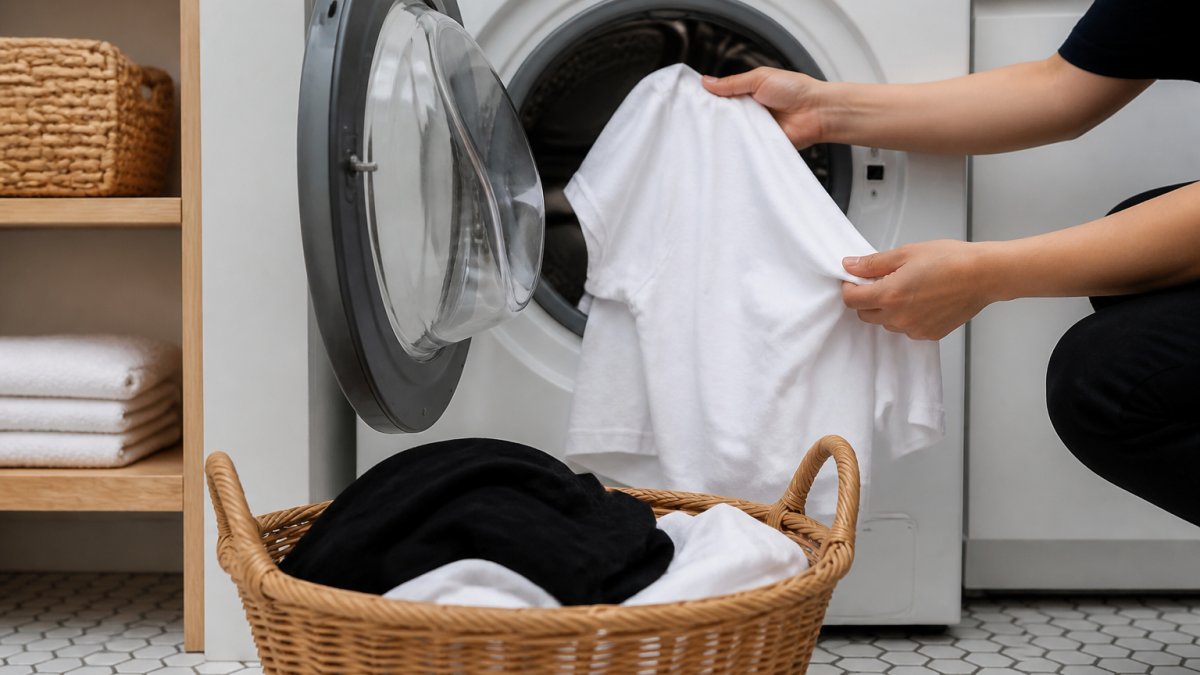
This is the single most important step. Turning your shirt inside out protects the printed design from direct contact with the machine, detergent, and agitation.
Make this a habit every time you wash.
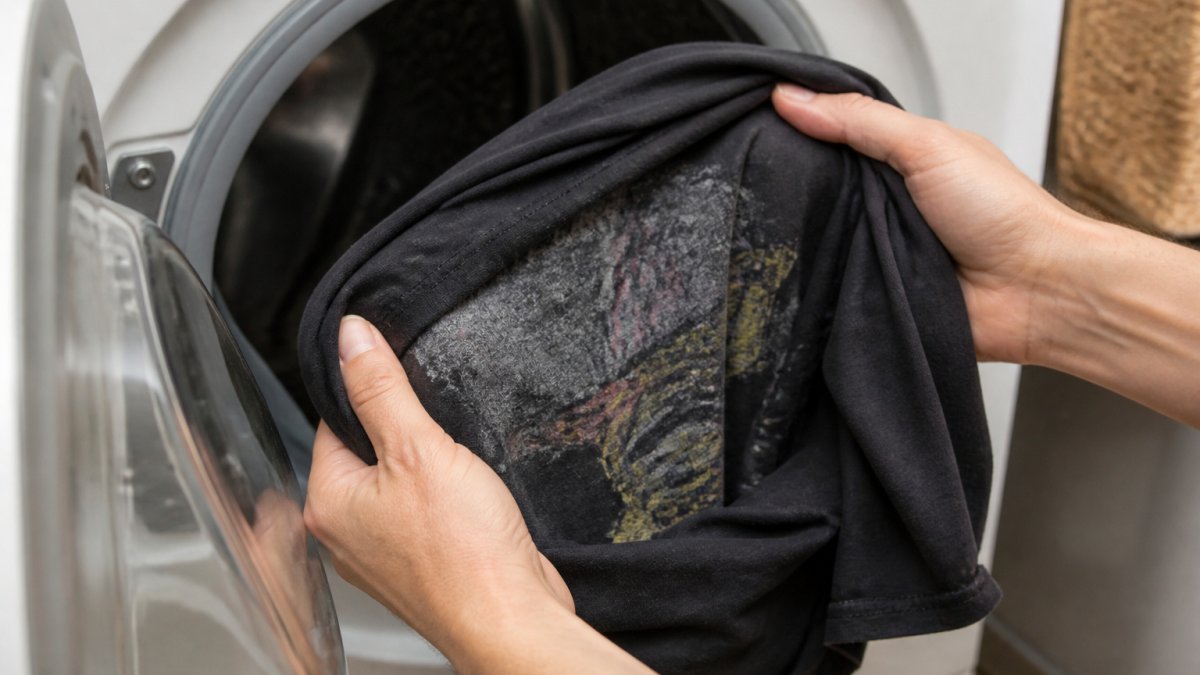
How to Wash a Shirt Without Ruining the Print
The washing process itself determines whether your print survives or degrades. Use these settings every time.
Use cold or low-temperature water
Hot water breaks down ink, fading colors and weakening the adhesive that bonds the print to the fabric. Cold water cleans without the damage.
Set your machine to cold water or the lowest temperature available. This protects the print and fabric, and prevents shrinking that can stress the design and cause cracking.
If you have hard water, consider adding a water softener, minerals can dull colors over time.
Choose a gentle or delicate cycle
A heavy-duty or normal cycle uses high agitation that damages custom prints. Switch to a gentle or delicate cycle.
Gentle cycles use slower spin speeds and less mechanical action, so your shirt still gets clean while the print stays intact.
Select mild detergent and avoid bleach
Use a mild detergent labeled "gentle" or "delicate", harsh chemicals break down ink and can bleach colors.
Never use bleach on a custom shirt, even diluted bleach strips color and damages the print. For stains, use the methods covered later in this guide.
Fabric softener can also harm prints by leaving a coating that attracts dirt. Skip it.
How to Wash Screen-Printed Clothing
Screen printing is the most common decoration method for custom shirts, and the most misunderstood in laundry. The ink isn't dyed into the fabric, it sits as a cured layer on top, and that distinction drives every care decision below.
Why screen prints behave the way they do
Most screen-printed shirts use plastisol ink, cured under heat into a flexible plastic film bonded to the fabric. A smaller share use water-based or discharge inks, which soak into the cotton, feel softer, and fade faster. Knowing which you have changes your approach:
- Plastisol prints feel slightly raised and rubbery. They resist fading well but are the most prone to cracking when flexed cold or overheated in a dryer.
- Water-based and discharge prints feel like part of the shirt. They fade gradually rather than crack, and they benefit most from cold water and mild detergent.
- Heavy ink coverage (large solid blocks, thick outlines) cracks more readily than fine linework because there is more film to flex.
If you're unsure which ink your shirt uses, ask the printer.
Machine washing screen prints safely
Screen-printed shirts can go in the machine once the ink is fully cured. Follow this sequence:
- Turn the shirt inside out and close any zippers or buttons on nearby garments.
- Load with similar colors and similar fabric weights. Heavy denim or towels abrade the print.
- Select cold water and a gentle or delicate cycle.
- Use a mild liquid detergent, powder detergents can leave residue in the ink film.
- Skip fabric softener and dryer sheets entirely.
Wash new screen-printed items separately for the first two or three cycles, some plastisol inks release excess pigment early on, which can transfer onto lighter garments.
Hand-washing versus machine-washing
Hand-washing is the safest option for any custom shirt, especially if the print is new, has heavy ink coverage, or already shows minor cracking. It gives you complete control and eliminates machine agitation.
To hand-wash:
- Fill a sink or basin with cold water
- Add a small amount of mild detergent (about a teaspoon is enough for one shirt)
- Submerge the shirt inside out
Machine washing is fine for screen-printed shirts that have been washed before and show no damage. Use this quick decision guide:
| Situation | Recommended method |
|---|---|
| Brand-new print, first wash | Hand-wash |
| Heavy ink coverage or large solid blocks | Hand-wash or gentle machine |
| Print already cracking or peeling | Hand-wash only |
| Older shirt, print intact, standard cotton | Gentle machine cycle |
| Vintage or thrifted screen print | Hand-wash |
What to avoid
- Hot water, softens and eventually breaks the ink film
- Bleach, strips pigment and weakens the bond between ink and fabric
- Fabric softener, coats the print and attracts lint and dirt
How to Wash Graphic Tees Properly
Graphic tees often use direct-to-garment printing or heat-transfer methods. These require slightly different care than screen printing.
Direct-to-garment prints are thinner and more detailed, less durable than screen printing but with more color range. Heat-transfer prints use a plastic-like material that can peel under high heat or friction.
For both methods, follow these rules:
- Always use cold water
- Always use the gentle cycle
- Always turn inside out
Graphic tees are often one-of-a-kind designs. Treat them with extra care, especially the first few washes.
Drying Custom Printed Shirts Without Damage
Drying is where most custom shirts are lost. A shirt can survive years of careful washing and still crack in one hot dryer cycle: heat softens the ink film, tumbling flexes it while soft, and once it cools in a stressed position, it cracks.
Air-drying as the safest option
Air-drying is the best way to dry any custom shirt. Hang it on a clothesline or drying rack, or lay it flat on a clean towel.
Air-drying takes longer but eliminates heat damage entirely: colors stay vibrant, ink doesn't crack, and fabric doesn't shrink. It works for screen-printed, direct-to-garment, heat-transfer, and embroidered shirts.
A few practical notes:
- Hang in shade, not direct sun. Prolonged UV exposure fades both the print and the garment dye, even on a line.
- Lay knits flat. Heavy cotton tees and ring-spun blends can stretch on a hanger when wet. Laying them flat on a towel preserves the shape.
- Flip halfway through. If you lay the shirt flat, flip it after a few hours so both sides dry evenly and no mildew forms in the seams.
Tumble drying on low heat
If you must use a dryer, set it to low heat or the air-fluff (no-heat) setting. Never use high heat, it causes ink to crack, fade, and peel, usually permanently.
Remove the shirt while still slightly damp, residual heat in the drum keeps affecting the print after the cycle ends, so don't let it sit in the dryer.
Reconciling the care label with print-care advice
Custom shirts often carry a care label from the blank manufacturer, not the printer. It may say "tumble dry medium" or "warm wash", fine for the fabric, wrong for the print.
Use this rule of thumb:
- Cotton and cotton blends: Follow print-care advice (cold wash, low or no heat dry). The fabric tolerates it fine.
- Polyester and performance blends: These dry fast and are especially sensitive to heat, high heat can set wrinkles and damage the print simultaneously. Air-dry whenever possible.
- Tri-blends and ring-spun cotton: Softer and more prone to shrinking. Cold water and air-drying protect both the fit and the print.
If the care label and print-care advice genuinely conflict, default to the gentler option: you can always rewash a dirty shirt, but you cannot un-crack a print.
Troubleshooting Damaged or Faded Prints
Even with perfect care, prints can fade or develop problems. Here's how to address common issues.
Addressing cracking, peeling, and fading
Cracking happens when heat or friction breaks the ink layer. Once cracking starts, it spreads. Prevent it by avoiding heat and high agitation.
Peeling usually means the print wasn't fully cured or washing was too aggressive. If a print starts to peel, switch to hand-washing only and skip fabric softener and bleach.
Fading is normal over time, but harsh washing speeds it up.
Stain removal without harming the design
Treat stains quickly but gently. Here's what works:
- Fresh stains: Rinse immediately with cold water. Don't rub.
- Oil stains: Sprinkle baking soda on the stain. Let it sit for 15 minutes. Brush off gently. Rinse with cold water.
- Protein stains (blood, sweat): Soak in cold water for 30 minutes. Use mild detergent and gently rub the back of the fabric, not the print side.
- Stubborn stains: Mix equal parts white vinegar and cold water. Soak for 30 minutes. Rinse thoroughly.
Never scrub the print directly, always work from the back of the fabric. If the stain won't come out, leaving it beats risking damage from harsh treatment.
| Problem | Cause | Solution |
|---|---|---|
| Cracking | Heat, friction, or age | Use cold water, gentle cycle, air-dry |
| Peeling | Incomplete curing or rough washing | Hand-wash only, avoid heat |
| Fading | Hot water, harsh detergent, or high agitation | Switch to cold water and mild detergent |
| Color bleeding | Washing with incompatible colors | Wash with similar colors or separately |
Custom shirts are worth protecting. The care you put in now determines whether your design looks sharp for years or fades after a few washes.
Follow these steps: prepare before washing, use cold water and gentle cycles, turn inside out, air-dry when possible, and handle stains carefully. Subscribe to stay updated on new designs and exclusive offers from Climaxxx Designs.
Frequently Asked Questions
How should you wash a shirt after using fabric paint?
Wait 24-48 hours after applying fabric paint before washing to allow the paint to cure fully. Wash inside out in cold water on a gentle cycle with mild detergent. Avoid the dryer initially; air-dry flat or hang-dry instead. Once the paint has fully cured, you can use the standard washing routine for custom shirts. Always check the fabric paint manufacturer's instructions for specific curing times, as some paints require longer curing periods.
Should you wash custom shirts before wearing them?
Yes, washing custom shirts before first wear is recommended. A gentle rinse in cold water removes excess dye and loose fibers from the printing process. This first wash also helps set the ink or dye, improving color retention over time. Use mild detergent, turn the shirt inside out, and avoid the dryer for this initial wash. Air-dry the shirt to protect the print during this critical first wash.
What water temperature is best for washing printed shirts?
Cold water (below 60°F) is ideal for washing custom printed shirts. Cold water minimizes ink bleeding, reduces color fading, and protects the print from heat-related damage like cracking or peeling. Warm or hot water can weaken the adhesion of screen-printed designs and cause colors to fade more quickly. Always default to cold water unless the care label specifies otherwise for your specific garment.
Can you put custom shirts in the dryer?
Avoid high-heat dryer settings for custom printed shirts. High heat can cause inks to crack, peel, or fade prematurely. If you must use a dryer, select the lowest heat setting or air-dry mode. Air-drying is the safest option and extends the lifespan of both the fabric and the print. Hang or lay the shirt flat to dry, keeping it away from direct sunlight to prevent color fading.